The Cave Diver Early Cave Routes
Turn the first branching hours into a marked map instead of a stack of identical deaths.
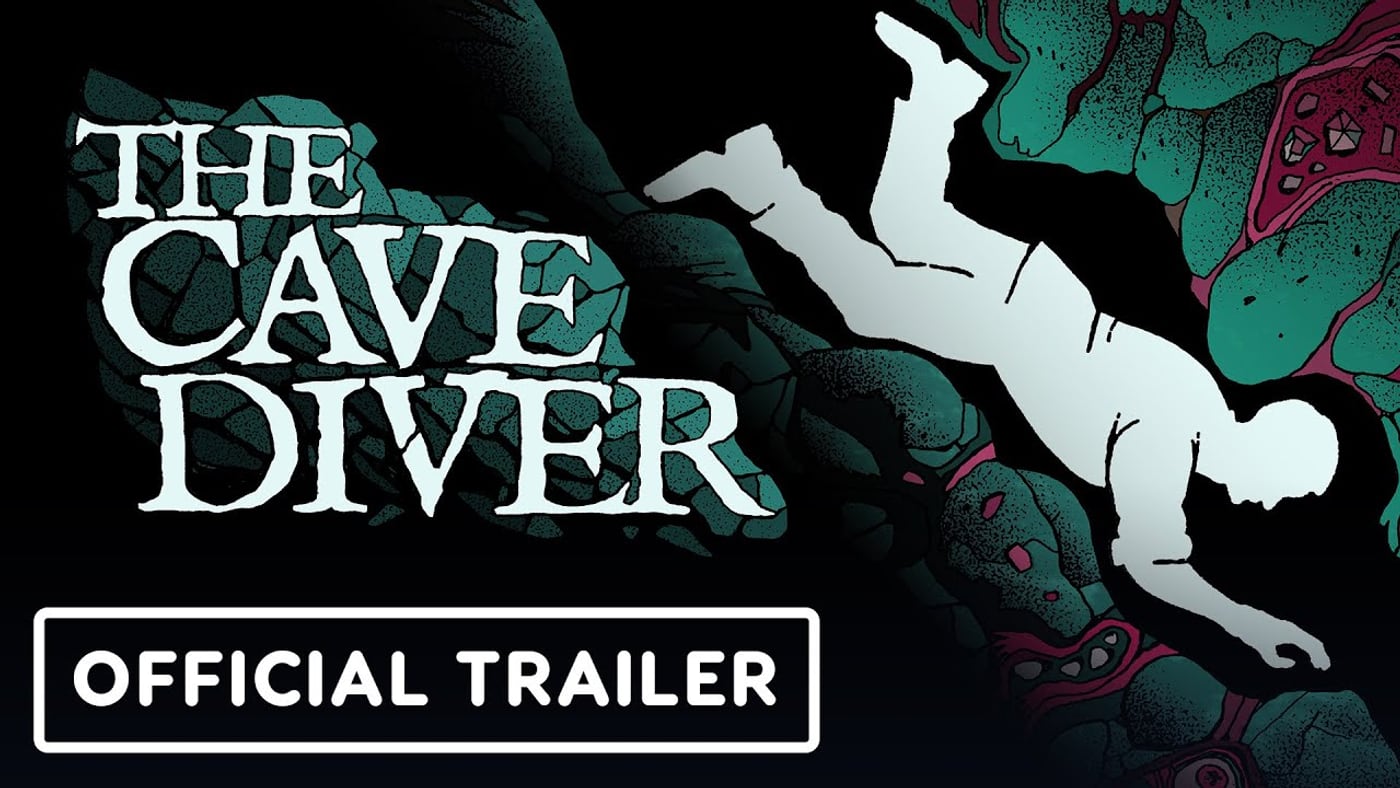
Early Cave Routes covers the stretch of The Cave Diver where the fantasy of “just crawling downward” dies and real navigation begins. After the Demo teaches grip and panic, the early cave asks whether you can turn junctions into durable knowledge. Ovsko’s design expects you to fail, leave signs, and return as another body. This page is about making those returns count.
If hand aiming still feels random, pause this walkthrough and return to Controls plus the Guides hub. Early cave deaths caused by bad movement are expensive because they often happen after you already spent time reading journals and choosing forks. Stabilize the crawl first.
What “early cave” means here
Early cave is not a named official chapter title. It is the practical zone after tutorial comfort and before deep folklore commitment: the first repeating forks, the first true claustrophobic commitments, and the first time your previous body’s signs become more valuable than your memory. Expected full-game length is about three to five hours, so early cave is where you either build a clean legend or doom later hours to rework.
Use the Demo Walkthrough as your warm-up template even after launch. The same session structure—movement run, journal run, branch run, recovery run—scales into the early cave with longer corridors and meaner squeezes.
Junction protocol before every commitment
At each meaningful fork, stop in the widest safe pocket you can find. Confirm both hands can hold without sliding. Place or update a sign using the shared language from Sign Legend. If you have not decided what a symbol means, do not invent a one-off mark. Open the Sign Planner and pick a default for “unknown fork,” “soft maybe,” and “hard no.”
Then ask two physics questions: Can I reverse this entrance if the tunnel worsens within one body length? Does the corridor force a posture that kills re-gripping? If both answers are bad, treat the tunnel as a high-cost scout. That does not forbid entry; it forbids unmarked entry.
Reading the cave like a route, not a hallway
Branching paths in The Cave Diver are bait. Official descriptions talk about labyrinthine stones and detours that lure you into spaces where turning back seems physically impossible. Early cave mastery is noticing the lure while you still have options. Study Branching Paths for pattern language: false widenings, slope traps, and passages that look like shortcuts because they dive faster.
When a path dives fast, slow your decision speed. Depth is not progress if it is a tomb with a pretty angle. Mark the entrance, crawl only as far as your reverse plan allows, and either place a deeper progress sign or retreat to update the entrance mark as a dead or deferred branch. The Dead Ends page goes deeper on irreversible geometry.
Journals as early navigation fuel
Family lore about a rare flower that can cure ailments—even paraplegia—pulls every diver downward, but journals are the early cave’s local truth. They rarely draw a perfect map; they warn about attitudes and failed strategies. Read them when stable. Summarize one sentence into your notes, then keep moving. Full interpretation lives on Journals. Do not let lore hunger erase route discipline.
Body economy in the early hours
You will die. The question is whether each body buys information. After a stuck death, reload your attention onto signs and remains using Death and Bodies. Walk your marked path like a stranger. If a sign is ambiguous, fix it before pushing a new frontier. Ambiguity is how early cave players recreate the same death five times and call the game unfair.
Use the Progress Checklist to track soft milestones: stable Demo skills, first consistent fork legend, first intentional retreat, first journal cluster logged, first recovery run that beats a previous depth without new markers. These milestones matter more than raw depth screenshots.
Linking early cave work to later planning
Once forks start repeating in your head, graduate parts of your notes into Route Planning. Early cave is where you discover which personal rules you actually follow under stress. Maybe you always over-commit to steep drops. Maybe you under-mark “boring” side tunnels that later become important connectors. Route planning pages help you convert those discoveries into a launch-ready method for the August 12, 2026 release and beyond.
Also keep Mechanics and Signs nearby. Walkthrough advice fails when players treat signs as optional cosmetics. Signs are the save system the cave allows you.
A sample early-cave loop you can repeat
- From a known safe pocket, review existing signs aloud.
- Choose one unmarked or weakly marked fork only.
- Place an entrance sign before the geometry tightens.
- Scout to the first hard commitment point.
- Either retreat and upgrade the sign, or accept a prepared death with truthful markers.
- On the next body, verify the story your signs tell.
- Only then open a second new fork.
This loop is slower than chaotic diving and much faster than repeating unmarked disasters. It also pairs cleanly with the Map Hub when you want a second brain for spatial patterns.
When to leave early-cave focus
Leave pure early-cave grinding when you can interpret your own markers cold, when dead ends are labeled before rage sets in, and when journal finds no longer derail your hands. At that point, deepen with Route Planning, keep Tools open for checklists, and use Review only for expectation management—not as a substitute for practice.
The flower is still below. The early cave’s job is to make sure your family’s next body inherits a map instead of a myth.
Frequently Asked Questions
Quick answers to common The Cave Diver questions.
Is early cave a formal in-game chapter?
No. It is a practical wiki zone for the first repeating forks and commitment squeezes after Demo skills, before deep endgame route talk.
Should I explore every side tunnel immediately?
No. Mark entrances, scout only as far as your reverse plan allows, and defer expensive tunnels until your legend is stable.
What if my signs confuse my next body?
Stop pushing depth. Rewrite your legend with Sign Legend and the Sign Planner, then run a recovery pass that only clarifies markers.
How do journals change early routes?
They provide warnings and tone more than turn-by-turn maps. Read them in safe pockets, note one actionable line, then resume disciplined branching.