The Cave Diver Who Should Play
Love the crawl, the signs, and the tombs—or save your nerves for another cave.
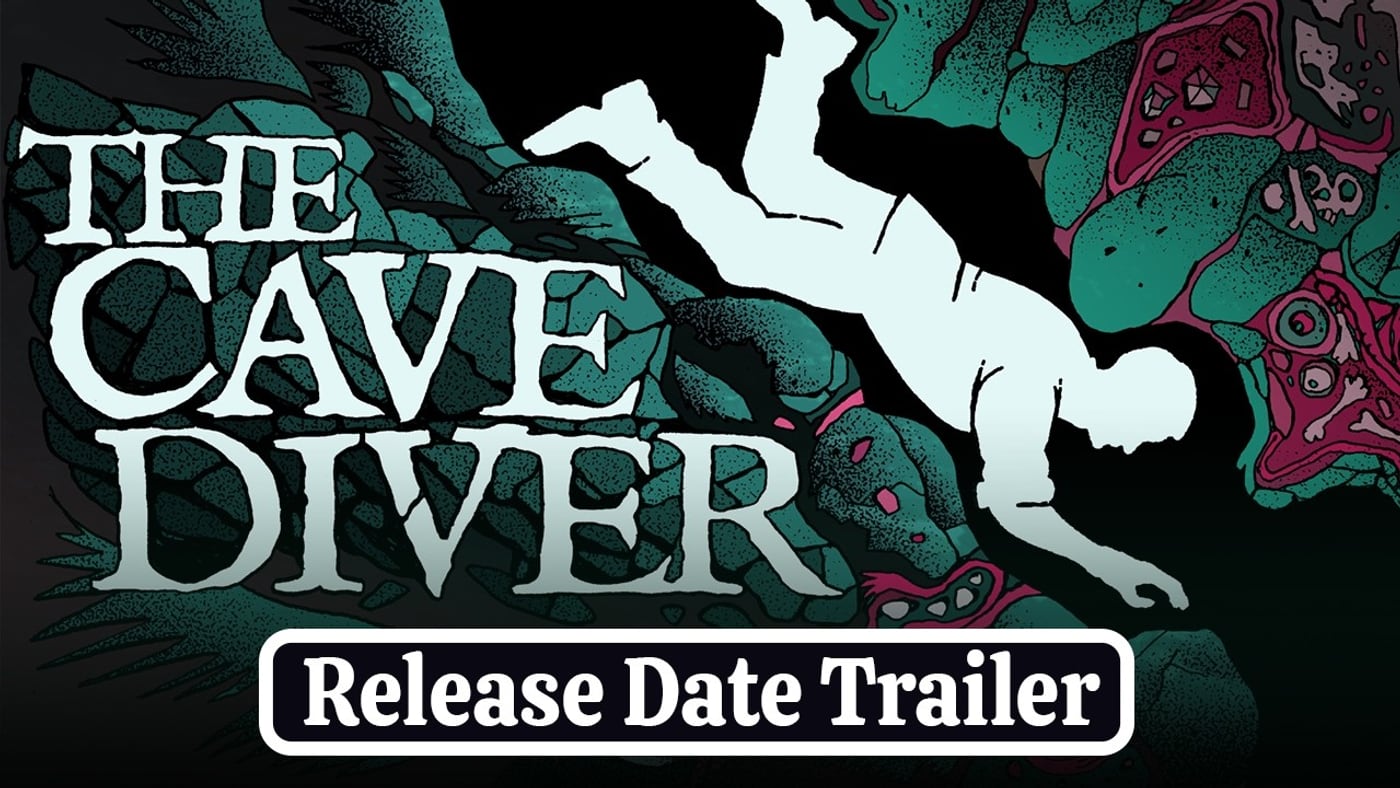
Who Should Play helps you decide whether Ovsko’s The Cave Diver matches your tastes before August 12, 2026—or before you sink a Demo night into rock that will not forgive pride. The game is hand-only physics horror: you aim each arm, grip, pull, and accept that getting stuck means dying alone while signs persist for the next body. A folklore flower rumored to cure even paraplegia pulls generations of failed divers downward. Something ancient may wait below. This page is an unofficial fan lens, not a scored review. Use it with the live Demo, System Requirements, and Demo vs Full.
The embedded Demo gameplay rating video shows difficulty and tone. Your own two hours in the Demo matter more than any video score.
Strong fits: you will likely enjoy this
Physics patience players: if you like learning verbs deeply—think grip chains, reverse plans, posture puzzles—you may love the rage-game loop. Success feels earned in centimeters.
Cartography fantasists: if persistent signs across deaths sounds like the best checkpoint system ever invented, The Cave Diver is speaking your language. Pair interest with Sign Legend and Signs early.
Horror-through-body players: if dread from claustrophobia, isolation, and slow failure beats jump-scare reliance, the design aligns. Read Panic to see how fear is structured.
Short campaign enthusiasts: official materials frame a multi-hour descent, commonly three to five hours for players who learn from failure. If that length sounds ideal—not too endless—you may get a memorable weekend.
Demo-first learners: if you happily treat failure as data, the Demo on Steam and itch.io is an excellent audition. Follow Download the Demo and the Demo Walkthrough.
Weak fits: consider skipping or waiting
Smooth locomotion seekers: if you need sprinting, jumping arcs, or forgiving platforming, hand-only crawl will feel like fighting the game’s identity.
Checkpoint comfort players: lethal stuckness with body persistence is the point. If you want frequent saves, this is the wrong mountain.
Co-op social players: The Cave Diver is solo. No partner can wedge beside you. Isolation is feature and limitation.
Claustrophobia-sensitive players: if tight spaces are unsafe—not merely uncomfortable—respect that boundary. Panic discusses design intent; it cannot override medical or trauma limits.
Low-spec frustration: minimums are Windows 10 64-bit, i5-class CPU, 8 GB RAM, GT 1030 with Vulkan. Meeting floor specs is not the same as smooth tension. Verify before buying.
The Demo as truth serum
Trailers sell folklore and rock. The Demo sells whether your hands obey under stress. Before purchase, install from Steam or itch (The_Cave_Diver_Demo_1_24.zip, ~216 MB) and run the skill bar from Demo Walkthrough: calm stops, honest signs, journal reading, one useful stuck death.
If Demo friction feels fair and fascinating, full-game friction likely will too. If Demo friction feels like input fighting you after honest practice, wait—patch notes on Demo Updates may help, or the game may simply not be yours.
Difficulty expectations
Expect deaths. Expect identical forks to kill multiple bodies until labeled. Expect folklore pressure to tempt unmarked depth rushes toward How to Find the Flower. Difficulty is movement, map memory, and emotional regulation—not gear builds or combat reads.
Players who enjoy Getting Started pacing often finish happier than players who chase myth on hour zero.
Hardware gate
Read System Requirements before judging performance. Vulkan-capable GPUs matter. Driver staleness shows up as mistrust during squeezes. Stable frametime is part of “who should play”—not only GPU tier.
Content tone and themes
Generational male divers who never return, paraplegia cure folklore, remains in rock, and possible ancient evil are core tone ingredients. See Lore for public-thread summary without invented spoilers.
If disability themes or entombment imagery hit too hard, skip. Entertainment should not purchase harm.
Compare to nearby genres
Not a cozy exploration walk. Not a combat roguelike. Closest cousins: physics rage toys with horror dressing and notebook persistence. If that hybrid excites you, welcome. If you wanted Subnautica pacing with cave skin, adjust expectations.
Parent and streamer notes
Solo horror with body remains and lethal stuckness may not suit all audiences or broadcast tones. Check store age guidance and your platform rules.
If you are on the fence
Run this two-session experiment:
Session A: movement only—Controls, Movement Mastery, no depth chasing. Session B: one fork marked, one reverse-test abort celebrated, one journal read from a stable hold.
After both, ask: Did I improve? Did signs reduce fear? Did death teach something? Yes answers → continue with Guides and Walkthrough. No answers → wishlist for a sale or walk away without shame.
Launch week audience
Launch Day Guide fits buyers who already know they are in. Review Hub fits browsers still deciding. Neither replaces the Demo.
Cross-links
Scope: Demo vs Full, Release Date. Systems: Mechanics Hub, Death and Bodies, Journals. Practice: Download the Demo, Early Cave Routes, Tools.
Closing verdict frame
Play The Cave Diver if hand-only physics, persistent signs, solo claustrophobia, and folklore dread sound like features—not accidents. Skip or Demo-first hedge if you need smooth comfort, co-op, gentle checkpoints, or safe tight spaces. The flower may be legendary; your fit is knowable in a few honest Demo hours.
Frequently Asked Questions
Quick answers to common The Cave Diver questions.
Should I buy The Cave Diver without trying the Demo?
You can, but the Demo is the best fit test for hand crawling, stuck-death stress, and sign persistence.
Is this game good for claustrophobia-sensitive players?
Usually no. Tight spaces and lethal wedging are core design. Stop if fear feels harmful, not challenging.
Does The Cave Diver have co-op?
No. It is a solo descent. Isolation is part of the horror and the difficulty.
How long is the full experience?
Materials describe a multi-hour campaign, commonly framed around three to five hours for players who learn from failure.
What kind of player will enjoy the panic mechanics?
Players who treat tension as sport, learn from deaths, and enjoy physics mastery plus cartography—not comfort exploration.