The Cave Diver How to Avoid Getting Stuck
If you cannot leave, you do not enter.
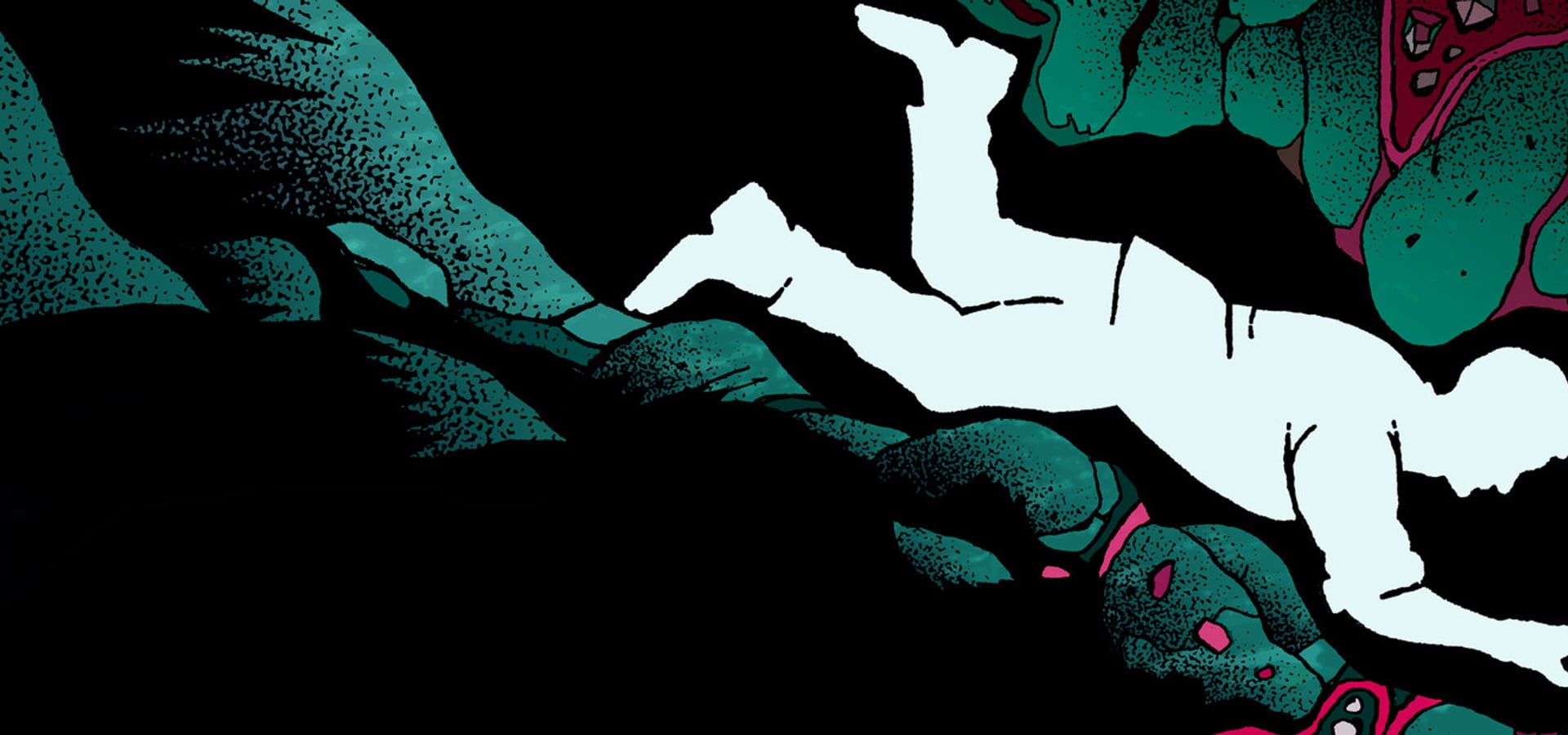
Stuck is not a soft fail
In The Cave Diver, getting stuck means dying alone in rock. There is no teammate crawl to free your hips. There is no polite unstick button that preserves dignity. When the geometry owns you, that diver ends, a new body continues later, and the corpse can remain as a warning sculpture. Avoiding that fate is the central survival skill of the demo and of the full game planned for August 12, 2026.
This page assumes you already know the hand-only premise from How to Play. If your grips are still random, fix Movement Mastery first. Route humility cannot save a player who cannot release on purpose.
The reverse-test law
Before any squeeze that looks narrower than your shoulders in the camera, enter only far enough to place hands, then reverse out. If reverse fails while your torso is still mostly free, you have found a future grave. Leave. Mark it using How to Place Signs. The law is simple enough to tattoo on your memory: no confirmed reverse, no deeper commit.
Players break the law because the tunnel “looks short.” Short tunnels kill with the same physics as long ones. Folklore about the curing flower will also break the law for you if you let urgency rewrite geometry.
Read the tightest ring, not the widest flare
Caves lie with flares. A mouth can look generous while a ring two body-lengths in clamps your ribs. Probe with a hand. Sweep the camera around the candidate ring. Ask whether your shoulders have rotation space, not merely forward space. If the answer is unclear, abort. Uncertainty is a no.
Compact posture helps. Stretched diagonal bodies catch on protrusions that a gathered crawl would slip past or refuse. When you feel your body lengthening, you are probably writing a stuck report.
Abort early, abort loudly
An abort is a success. Turn aborts into a counted habit in every session. Celebrate the boring crawl back to a junction. Then decide whether the branch deserves another attempt with better angle, better marks, or no attempt at all. The Physics Puzzles page helps you tell the difference between a solvable constraint and a vanity tunnel.
If panic rises mid-squeeze, freeze. Holding still with stable grips beats thrashing. Thrashing finds new ways to wedge elbows. If you are past recovery, accept the death and spend the next body’s first minutes improving the approach sign instead of diving in hot.
Learn from corpses without becoming one again
When previous remains block or decorate a passage, treat them as width gauges. If a prior body is jammed, assume the ring is hostile unless you have a clearly different angle or posture plan. Do not assume you are slimmer in spirit. The physics does not care about your character arc.
Use first-impression videos and danger-focused demo clips to study how quickly a playful crawl becomes immobility. Then return to practical drills rather than doom scrolling fear.
Input choices under threat
Some near-stuck moments are aim problems. Mouse users overshoot releases. Controller users hold grips too long. Revisit Keyboard & Mouse or Controller when deaths cluster around input, not around bad route choice. The Controls Hub exists for that fork.
A stuck-avoidance drill circuit
- Find a mild pinch and reverse-test it five times.
- Approach a scarier branch, mark it, reverse-test, and leave on purpose.
- Travel ten minutes with a rule: any doubt ends the attempt.
- After one death, write whether the failure was width misread, missing reverse, or panic thrash.
- Apply one correction from Tips and Tricks.
- Only then continue toward deeper goals like Finding the Flower.
Hardware and stamina notes
Stable Windows performance on a Vulkan GPU with 8 GB of RAM and GT 1030-class graphics keeps camera reads honest while you judge rings. Fatigue makes rings look wider. End sessions before bravery becomes sleep deprivation. The roughly three-to-five-hour full experience is for competent divers; your stuck-avoidance training may take longer than the story crawl itself.
Return to Getting Started if you need a gentler session plan, or to the Guides Hub for the wider order. The cave is patient. Be more patient. Every abort is a flower you still have permission to seek later.
Frequently Asked Questions
Quick answers to common The Cave Diver questions.
What happens if I get stuck?
The current diver dies. You continue later in a new body, and the previous corpse can remain in the cave.
What is a reverse-test?
Enter a squeeze only far enough to try leaving again. If you cannot reverse while still mostly free, do not commit deeper.
Why do short tunnels still trap me?
Length does not equal safety. A short ring can still deny shoulder rotation and block turning around.
Should I thrash when nearly wedged?
No. Freeze, attempt a controlled reverse, and accept death if recovery is gone. Thrashing often worsens the wedge.
How do signs help me avoid getting stuck?
They remind future bodies which branches failed reverse-tests so you do not repeat optimistic mistakes.
Is avoiding stuck more important than going deep?
Yes. Depth without exit plans only creates corpses. Sustainable depth requires refusal skills.