The Cave Diver Movement Mastery
Short reaches. Clean releases. Planned exits.
Movement is a puzzle language
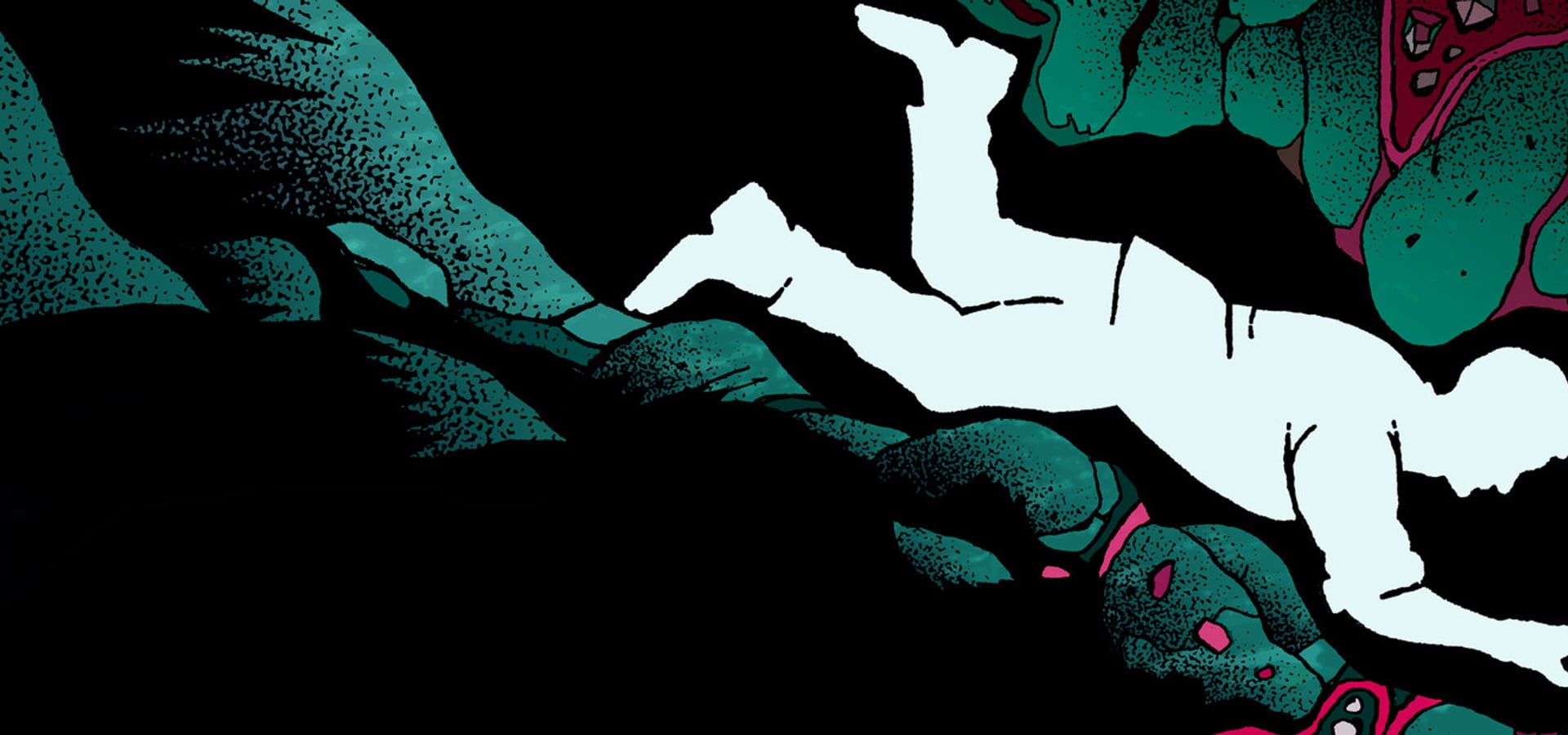
In The Cave Diver, movement mastery is not speedrunning flair. It is literacy. You learn how a body with powerless legs transfers weight between two gripping hands, how rock friction steals momentum, and how a proud stretch becomes a coffin. This page sits above basic input setup. If you still need bindings, start with Keyboard & Mouse or Controller, then return here.
The fantasy is folklore-horror: crawl deeper for a legendary flower said to cure ailments, including paraplegia, while something older than your family stories waits in the dark. The practical truth is colder. Every chamber teaches a movement sentence. Miss a punctuation mark and the sentence ends with a corpse.
The stable chain: reach, grip, settle, reach
Mastery begins with refusing simultaneous chaos. Move one uncertainty at a time. Aim a free hand to a hold you can see. Grip. Wait for the body to settle against gravity. Only then move the other hand. Settling is where you learn whether a hold is honest. Honest holds keep your shoulders aligned with free space. Dishonest holds twist you toward walls.
Compact posture is the default win condition. Keep elbows and torso gathered so you can reverse. Long diagonal stretches look efficient until a protrusion catches your hip line and deletes the reverse. When you feel your body lengthening across a gap, ask whether the next hold is necessary or ego.
Reverse-outs are first-class skills
Most players practice forward progress and treat reversing as embarrassment. In a cave where stuck equals death, reversing is the main skill. After every successful entry into a narrower section, pause and reverse one or two grips before continuing. That rehearsal proves the geometry still allows exit. If the rehearsal fails while you still have options, leave. Mark the junction using How to Place Signs so the next body inherits knowledge instead of hope.
Reverse practice also trains release timing. You will learn which hand is currently load-bearing. Releasing the loaded hand first drops you. Releasing the free or trailing hand first usually restores a safer shape. That distinction separates demo tourists from divers who reach deeper physics puzzles.
Reading width before committing torso
Camera angles lie. A tunnel that looks round can be an oval that clips your shoulders. Before the torso follows the hands, sweep the camera to check the tightest ring of rock ahead. Probe with a hand farther in without dragging your chest through the ring. If the hand can enter but the shoulders have no rotation room, that is not a path; that is a display case for corpses.
This is why How to Avoid Getting Stuck belongs open beside this page. Movement mastery without route humility just produces more artistic failures.
Recovery when panic starts
Panic has tells: faster grip taps, ignored settle pauses, camera whipping, and “one more pull” bargains. When you notice those tells, freeze. Hold current grips. Breathe. Rehearse the reverse mentally. Then execute the reverse slowly. If you are already past the point of reverse, accept the death quickly instead of thrashing. Thrashing can wedge you in a worse posture that blocks future bodies or wastes time you could spend planning markers.
After death, the new body continues while the old one may remain. Use that continuity. Approach the corpse as a teacher. Which grip angle failed? Which tunnel lied? Put a sign before you retry the same bite of rock.
Physics puzzles as movement exams
Deeper sections are not separate minigames; they are stricter sentences in the same language. Shelves demand short horizontal chains. Overhangs demand accepting temporary downward arcs without releasing both hands. Branching detours demand ego control. Study patterns in Physics Puzzles and apply them with the settle pause from this page.
Watch demo footage to see tempo, not to copy reckless lines. The embedded movement showcase and no-commentary clips are useful because they show how often skilled play looks boring. Boring is safe. Safe is deep.
Training block you can repeat
- Two-hold swap for three minutes without traveling.
- Enter a mild pinch, reverse out, repeat five times.
- Travel a short hallway using only compact posture.
- Place one sign at a real decision point, not as graffiti.
- Attempt one unfamiliar branch with a pre-written abort rule.
- Review deaths using Tips and Tricks and Getting Started.
Hardware still matters around the edges. Stable Windows performance on a Vulkan GPU with 8 GB of RAM and GT 1030-class graphics keeps settle pauses honest. The planned full release on August 12, 2026, and the existing Steam or itch demo, both reward the same mastery: patient hands.
When your movement sentences get clean, the cave’s story can finally be read instead of merely suffered. That is the real climb toward the flower.
Frequently Asked Questions
Quick answers to common The Cave Diver questions.
What is the most important movement habit?
Settle after every grip before you move the other hand. That pause reveals bad holds before your torso commits.
How do I practice reversing?
After entering any narrower space, reverse one or two grips on purpose before continuing. If reverse fails early, leave and mark the junction.
Why do stretched postures fail so often?
Long postures reduce exit options and catch hips or shoulders on protrusions. Compact shapes reverse more reliably.
Should I keep struggling when nearly stuck?
Freeze and reverse if possible. If not, accept the death instead of thrashing into a worse wedge.
Does movement mastery differ between demo and full game?
The grip language stays the same. The full game, planned for August 12, 2026, simply asks you to sustain that literacy longer.
Where should I go after this page?
Use How to Avoid Getting Stuck and Physics Puzzles next, then apply the habits while hunting route markers toward the flower.