The Cave Diver Dead Ends Guide
Recognize tombs early, label them without ego, and stop feeding the cave free bodies.
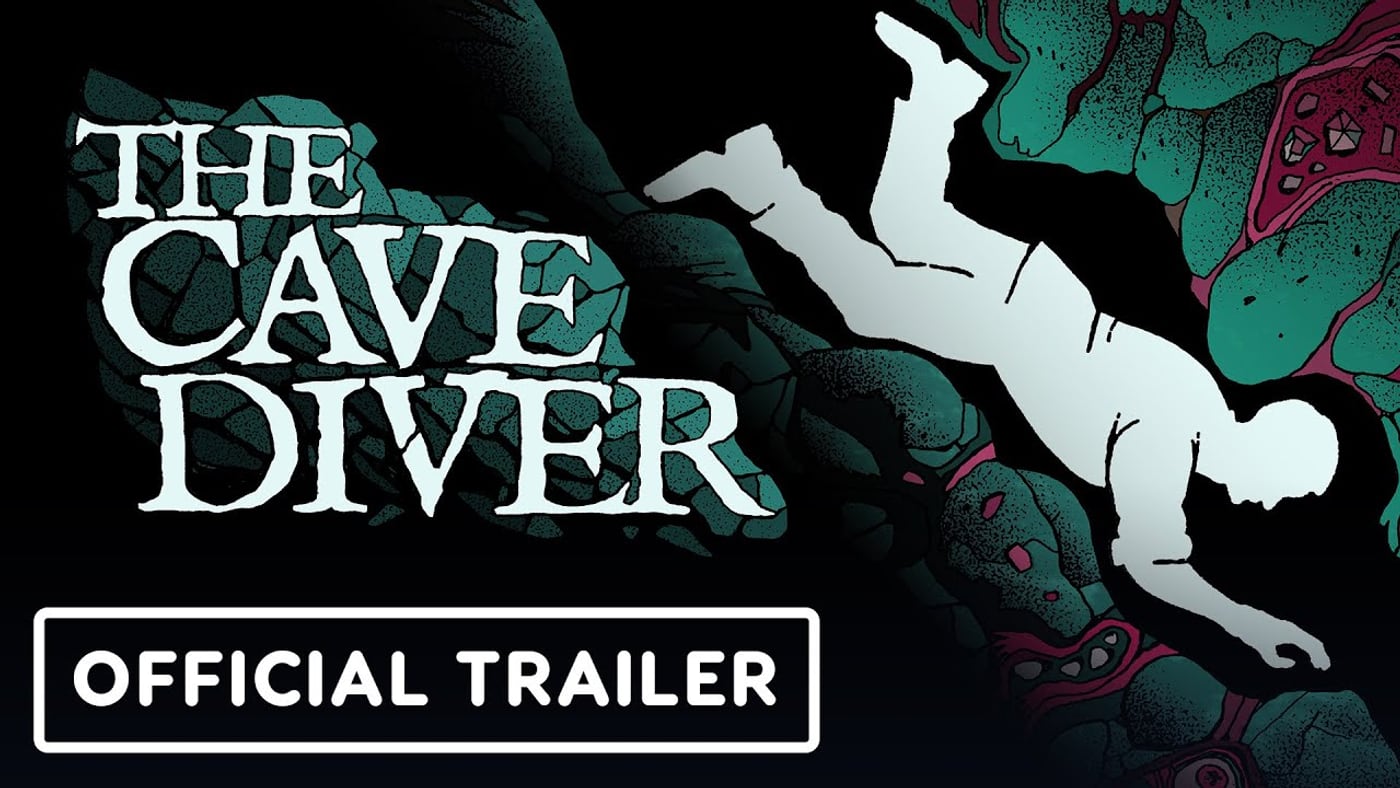
The Dead Ends Guide exists because The Cave Diver is honest about failure. Branching tunnels lure you into claustrophobic passages where turning back can become physically impossible. Getting stuck means dying alone. This page teaches you to treat that outcome as cartography instead of humiliation.
Read this after the Demo Walkthrough and in parallel with Early Cave Routes. If you still fight the hand physics more than the map, stabilize via Controls and Guides first. A dead end is twice as expensive when bad movement created it.
What counts as a dead end
A dead end is any branch that cannot advance your flower-bound descent without a reset, or any space that traps your body so thoroughly that escape is no longer a real physics plan. Some dead ends are obvious collapsed pockets. Others are psychological: a tunnel that “almost” goes, a slope that admits entry but denies exit posture, a squeeze that requires a miracle second pull you will not get.
Official framing emphasizes remains of previous divers. That means the cave expects a graveyard of attempts. Your job is to make sure each grave is labeled so the next body does not pay the same tuition.
Warning signs before the trap closes
Watch for corridors that narrow after a false comfort widening. Watch for holds that force both hands into the same cramped plane with no reset room. Watch for descents where gravity helps you in and fights every inch out. Watch for junctions where you hesitated and then rushed because pride said “I already committed.”
When those signals stack, stop advancing and update your entrance mark. Use Sign Legend language that future-you cannot misread. “Maybe later” is allowed. “This is fine” is not a symbol.
Marking doctrine for dead ends
Place the honest mark at the decision point, not deep inside the tomb where only a trapped body can see it. If you realize the truth only after you are stuck, your previous junction sign still needs an update on the next life. That is why Signs and Death and Bodies belong in the same mental kit as this walkthrough page.
Recommended personal categories:
- Hard dead end: do not re-enter unless a patch or new knowledge changes the read.
- Soft dead end: blocked for your current skill, worth a later scout with better stamina and calmer hands.
- Looping waste: reconnects to known space without new value; mark to stop re-grinding.
- Lethal lure: looked like a shortcut, ended as a wedge; mark with extra severity.
Keep those categories aligned with Branching Paths so map language and walkthrough language do not drift apart.
Escape attempts: when to fight, when to accept
If you still have a reverseable posture, try a calm escape. Re-establish one secure hand before any ambitious pull. Tiny shifts beat thrashing. If both shoulders are pinned and your grips only dig you deeper, accept the death. Spending ten rage minutes to die in the same spot teaches less than spending thirty seconds admitting the tomb and planning the marker fix.
After respawn, visit the area with the explicit goal of labeling, not beating. A labeling run that places one perfect dead-end sign can save multiple future bodies. Track that win in the Progress Checklist.
Emotional discipline is a route skill
Physics-horror and rage-game design both bait ego. The flower myth—cure for paraplegia, ancient evil below, generations of men who never returned—makes every dead end feel like personal weakness. It is not. It is the cave’s teaching method. Players who refuse to mark failures often quit, then return days later and die in the same unlabeled fork because memory decay is real.
Use Route Planning to schedule “tomb audits”: short sessions whose only goal is cleaning ambiguous marks around known failure zones. Pair with the Sign Planner when you are unsure which symbol severity to apply.
Dead ends and journals
Journals left by failed explorers are thematically close to this page. They are narrative dead ends that still help the living. When a journal describes obsession or a wrong attitude toward the cave, treat it as a soft warning about player behavior, not only lore flavor. More detail lives on Journals.
Linking dead-end work across the wiki
Spatial patterns: Map Hub and Branching Paths. Systems: Mechanics, Signs, Death and Bodies. Practice aids: Tools, Controls Cheatsheet. Expectation management: Review, Demo vs Full.
Cross-linking matters because dead ends are where players binge one emotion and forget the rest of the kit. Keep the Walkthrough Hub open as your index when you feel tunnel vision—literal or mental.
A field checklist at the mouth of a risky tunnel
Can I name why this tunnel is tempting? Do I have an entrance sign already? Is my reverse plan more than hope? Am I entering to learn one fact, or to force a breakthrough because the last death annoyed me? If the last answer is ego, mark and leave. The planned Steam release on August 12, 2026 will still be there. Your patience is part of the route.
After you clear a cluster of tombs
When a region’s dead ends are labeled, your effective map expands even if your deepest meter does not. That is real progress in a game about persistent marks. Return to Early Cave Routes for the next unmarked frontier, or to Route Planning if you are ready to chain multiple junctions into a deliberate campaign toward the flower.
The cave will keep offering beautiful wrong answers. Your dead-end discipline is how those answers stop being fatal surprises and start being known borders on a growing chart.
Frequently Asked Questions
Quick answers to common The Cave Diver questions.
Should every failed tunnel be marked as a permanent dead end?
No. Separate hard dead ends from soft ones that may yield later with better movement. Ambiguous forever marks create false walls.
Where should I place a dead-end sign?
At the decision point future divers will see before committing, not only at the deepest trapped position.
Is thrashing ever useful when stuck?
Rarely. Calm one-hand resets can save a marginal escape. Pure thrashing usually digs the wedge deeper and wastes learning time.
How do dead ends connect to the flower goal?
Every unlabeled tomb delays the descent. Clean borders let you spend bodies on unknown frontier instead of repeating known graves.